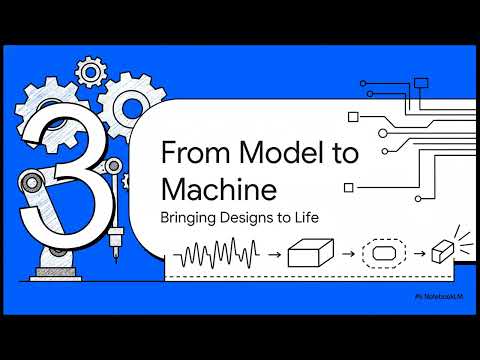
In the modern digital factory, turning a creative idea into a tangible, high-precision part is no longer a matter of manual craftsmanship alone. It relies on a seamless digital workflow that connects design, programming, and automated execution. For engineers, machinists, and fabricators, mastering fundamental CNC CAD CAM principles is essential for optimizing production, reducing material waste, and achieving unmatched accuracy.
Step 1: CAD – Designing the Digital Blueprint
Every manufactured object begins with Computer-Aided Design (CAD). CAD software allows engineers to transform abstract concepts into precise 2D sketches and 3D solid models. More than just drawing, CAD involves defining geometric parameters, material properties, and critical tolerances. A well-constructed CAD model serves as the single source of truth for the entire manufacturing lifecycle, ensuring that design intent is perfectly preserved.
Step 2: CAM – Translating Design into Action
Once the digital sketch is finalized, Computer-Aided Manufacturing (CAM) bridges the gap between digital design and physical reality. CAM software analyzes the 3D geometry of the CAD file and generates the toolpaths required to machine the part. During this stage, engineers select appropriate cutting tools, calculate optimal spindle speeds, set feed rates, and dictate cutting strategies. Understanding these core CNC CAD CAM principles allows programmers to simulate toolpaths prior to cutting, catching costly collisions and errors long before the machine starts running.
Step 3: CNC Machining – Bringing Code to Life
The final piece of the puzzle is Computer Numerical Control (CNC) machining. The CAM system converts toolpath strategies into G-code—the programming language understood by automated machine tools. The CNC mill, lathe, or router reads these commands to execute precise multi-axis movements, carving the finished component out of a raw block of stock material.
Unlocking the Digital Factory
Whether you are prototyping a single custom component or managing a high-volume production line, applying robust CNC CAD CAM principles guarantees consistency, speed, and quality. By streamlining the transition from digital blueprint to finished product, engineers can push the boundaries of modern manufacturing and unlock the full potential of the digital factory.

No comments:
Post a Comment