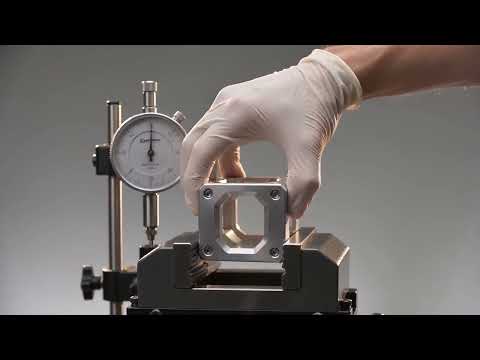
In precision manufacturing, time is money. When machining complex components—like a custom 6061-T6 aluminum housing—one of the biggest drivers of total cost isn't just raw material; it’s the number of machine setups required. While a traditional manufacturing approach might split a job across four separate setups, transitioning to a single setup can dramatically slash your production expenses.
The Hidden Cost of Multiple Setups
Machining a part using four distinct setups requires custom fixture changes, manual part re-orientations, and significant downtime between operations. Every time an operator halts the machine to reposition a workpiece, the risk of dimensional stack-up errors increases while overall machine utilization drops. These added labor hours and potential scrap risks quickly bloat your instant machining quotes.
How Single-Setup Machining Changes the Game
By leveraging advanced CNC 5 axis programming, manufacturers can reach complex geometries on multiple faces of a component in a single continuous operation. Instead of repeatedly stopping the spindle, recalibrating tool offsets, and swapping fixtures, the cutting tool and workpiece maneuver fluidly together.
For a typical 6061-T6 housing, shifting from four setups down to just one delivers clear advantages: - Reduced Lead Time: Less operator intervention means parts move off the machine much faster. - Superior Precision: Machining a component in a single clamping eliminates cumulative alignment errors caused by re-fixturing. - Lower Cost Per Part: Fewer setup hours directly translate into lower instant quotes and greater overall project savings.
Unlocking Efficiency with Smart Toolpath Strategies
Achieving a seamless single-setup process requires strategic planning in the pre-production stage. Effective CNC 5 axis programming relies on sophisticated CAD/CAM software to simulate tool movements, prevent collisions, and optimize material removal rates. By spending time refining the digital twin before cutting physical metal, shops eliminate costly trial-and-error cycles on the shop floor.
Conclusion
Whether you are prototyping a complex enclosure or scaling up production, re-evaluating your setup strategy is essential for cost management. Embracing modern CNC 5 axis programming not only streamlines your manufacturing workflow but also delivers a distinct competitive advantage through lower part costs and faster turnaround times.

No comments:
Post a Comment