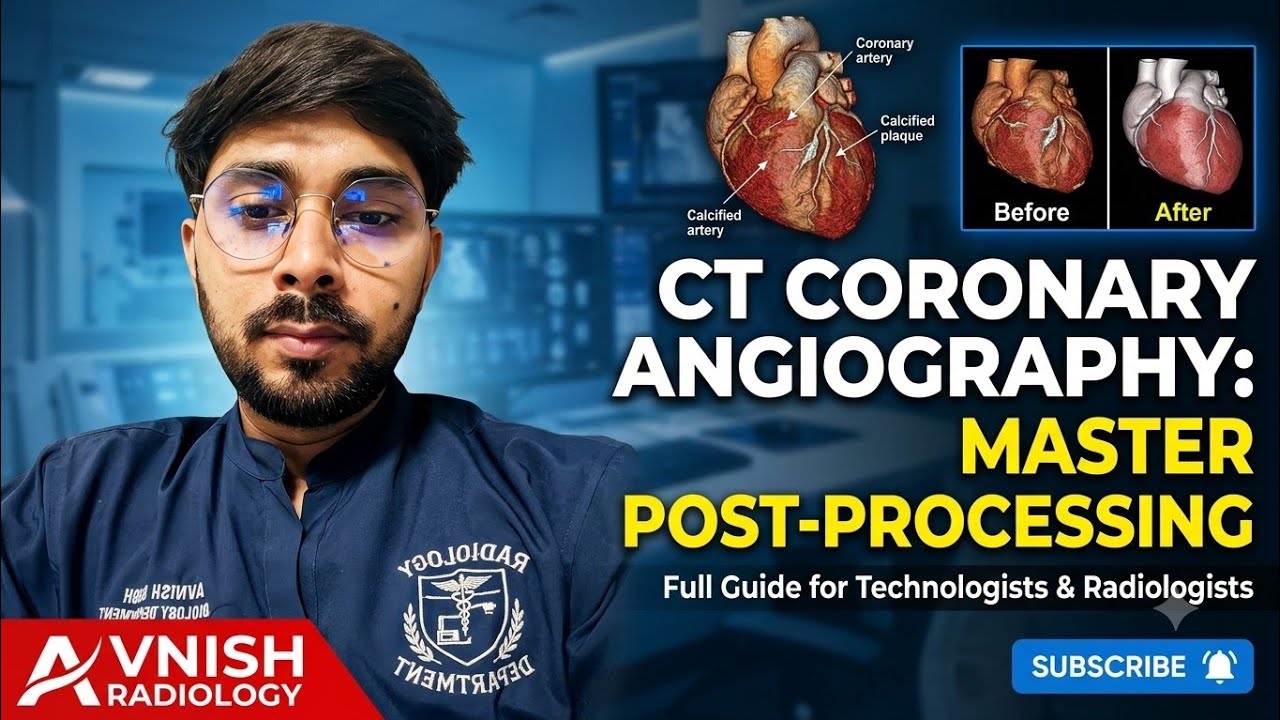
Mastering CT Coronary Angiography: A Step-by-Step Guide to Using the Post Processor
This article provides an in-depth exploration of Post processor, covering foundational concepts, practical applications, and engineering insights.
Computed Tomography Coronary Angiography (CTCA) has revolutionized non-invasive cardiac imaging, offering detailed visualizations of coronary arteries to evaluate stenosis, plaque composition, and congenital anomalies. However, acquiring high-quality scan data is only the first step. To transform raw cross-sectional images into actionable diagnostic insights, precise post-processing is crucial. Utilizing a modern imaging post processor allows radiologists and technologists to manipulate complex cardiac datasets into clear, reliable 2D and 3D representations.
Key Steps in the CTCA Post-Processing Workflow
Navigating CT Coronary Angiography requires a systematic approach to ensure no critical details are overlooked:
- Phase Selection and Data Loading: Select the optimal cardiac phase (typically mid-diastole or end-systole) displaying minimal motion artifacts, then load the DICOM dataset into the cardiac module.
- Coronary Vessel Tracking: Map the main coronary arteries, including the Left Anterior Descending (LAD), Left Circumflex (LCx), and Right Coronary Artery (RCA). Utilizing an advanced cardiac post processor enables automated centerline extraction, rapidly creating Curved Planar Reformations (CPR) along the longitudinal axis of each vessel.
- Cross-Sectional Lumen Analysis: Inspect cross-sectional reformats along vessel pathways to accurately assess luminal narrowing, wall thickening, and plaque characteristics (calcified, non-calcified, or mixed).
- 3D Volume Rendering Technique (VRT): Produce 3D anatomical models of the heart to provide a clear, intuitive overview for interventional cardiologists and cardiothoracic surgeons during surgical planning.
Best Practices for Diagnostic Excellence
Precision during image reconstruction directly influences clinical decision-making. Technologists should always manually verify automated vessel centerlines, as minor computational errors can lead to false stenosis diagnoses or missed lesions. Furthermore, mastering the dedicated tools on your specialized post processor drastically improves reporting speed without compromising diagnostic quality.
By standardizing your CTCA post-processing routine, you ensure high diagnostic precision and superior patient care. Continuously refining these technical skills is essential for any imaging professional looking to excel in modern cardiac radiology.

No comments:
Post a Comment