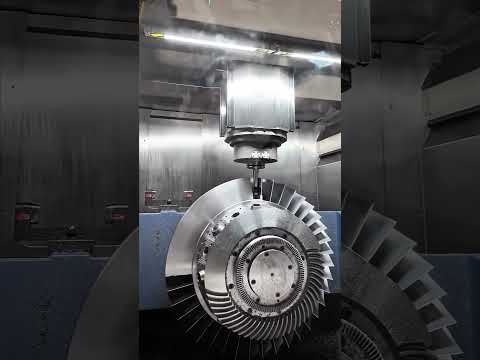
In the world of modern manufacturing, few processes are as intricate or visually satisfying as the creation of metal rotor components. These parts are the heart of various high-performance machines, from turbines to industrial pumps, requiring extreme precision and structural integrity. Achieving this level of detail is made possible through advanced CNC (Computer Numerical Control) machining centers, which transform raw metal blocks into complex, functional masterpieces.
The Complexity of Rotor Geometry
Metal rotors are characterized by their unique aerodynamic curves and tight tolerances. Traditional machining methods often struggle with these geometries, but a multi-axis CNC machining center thrives in this environment. By utilizing synchronized movements, the machine can approach the workpiece from multiple angles, ensuring that every vane and contour is carved exactly to specification.
However, the hardware is only half of the equation. To successfully navigate these high-stakes projects, technicians must have a deep understanding of their equipment. This is where a comprehensive CNC operation manual becomes an indispensable tool. It provides the essential guidelines for spindle speeds, feed rates, and tool path configurations necessary to handle tough alloys without compromising the tool's lifespan.
Efficiency Through Standardization
Precision machining is not just about the final product; it is about the repeatable process that gets you there. Following a standardized CNC operation manual ensures that every operator maintains the same quality control benchmarks. When shaping complex rotors, even a minor deviation in calibration can lead to catastrophic imbalances. By adhering to the documented procedures, shops can minimize waste and maximize throughput, ensuring that every component meets aerospace or industrial standards.
The Role of Advanced Tooling
The video highlights how specialized cutting tools work in tandem with high-speed spindles to shave off layers of metal with micron-level accuracy. Modern CNC centers use sophisticated cooling systems to manage the heat generated during this friction-heavy process. Proper maintenance of these systems—and the knowledge of how to troubleshoot them—is typically detailed within the CNC operation manual, making it a cornerstone of any successful machining floor.
As technology continues to evolve, the synergy between skilled operators, robust documentation, and high-end CNC machinery will remain the gold standard for shaping the complex metal components that power our world.

No comments:
Post a Comment