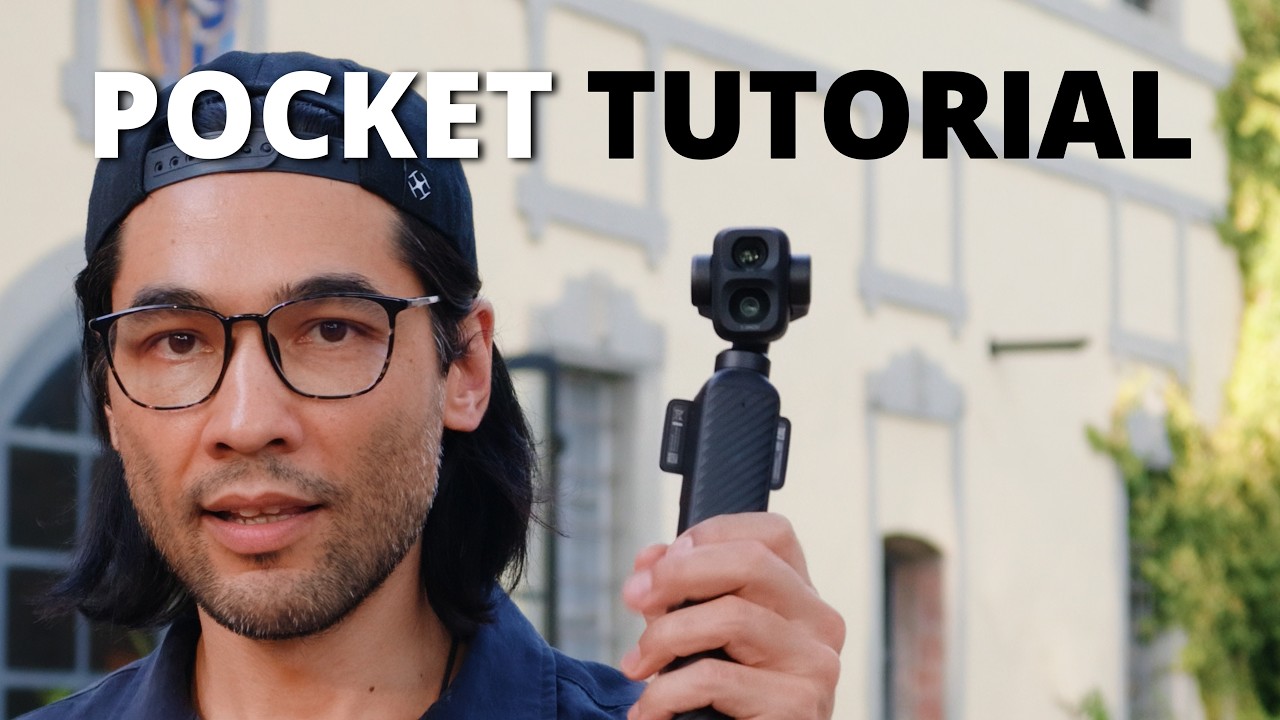
Mastering the DJI Pocket 4 & 4P: Best Settings and Essential CAM Software Tips
This article provides an in-depth exploration of CAM software, covering foundational concepts, practical applications, and engineering insights.
The DJI Pocket 4 and Pocket 4P have revolutionized portable content creation, packing cinema-quality stabilization and impressive sensors into a compact, handheld device. Whether you are a seasoned vlogger or a beginner, capturing stunning cinematic video requires dialing in the right camera settings and maintaining an efficient post-production workflow. In this guide, we will break down the key settings and tips to help you get the absolute best performance from your device.
Dialing in Your Initial Camera Settings
To get the most out of your DJI Pocket 4 series, start by switching from fully automatic to manual or semi-manual control. For smooth, natural movement, shoot at 24fps or 30fps and set your shutter speed according to the 180-degree rule (1/48s or 1/60s). Keep your ISO locked between 100 and 800 whenever possible to avoid introducing digital noise in low-light environments.
Choosing the correct color profile is equally vital. While the Standard profile delivers great vibrant results straight out of the box, switching to D-Log M captures maximum dynamic range. This gives you far more detail in highlights and shadows, providing complete creative control during color grading.
Streamlining Post-Production with CAM Software
Hardware tweaks are only part of the equation. To streamline your workflow after filming, integrating versatile CAM software into your routine makes managing and processing your video files seamless. Dedicated CAM software allows content creators to organize high-bitrate video clips, apply custom LUTs (Look-Up Tables), and calibrate color accuracy efficiently.
Furthermore, advanced CAM software tools offer robust remote control options, precise media organization, and automated file transfers. Using compatible management software ensures that your footage remains backed up and perfectly formatted, saving you valuable hours in post-production.
Audio and Gimbal Best Practices
Audio quality can make or break your video. Pair your DJI Pocket 4 with a wireless microphone to capture crisp, clear voice recordings free of wind or environmental noise. For ultimate image stability, complement the 3-axis gimbal by practicing steady handheld movement—such as the classic "ninja walk"—to eliminate vertical bounce while shooting on the go.
Conclusion
Achieving professional results with the DJI Pocket 4 and 4P comes down to mastering both hardware configurations and post-processing tools. By combining ideal manual settings with powerful camera software, you can consistently produce sharp, cinematic videos that stand out on any platform.

No comments:
Post a Comment