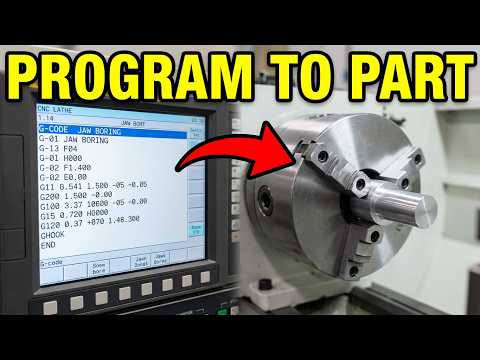
Setting up a CNC lathe for precision work often comes down to one crucial step: machining your soft jaws. Soft jaws allow you to hold custom parts securely, maximize surface contact, and maintain high concentricity. Whether you are writing G-code manually at the machine control or using modern CNC software, having a reliable soft jaw program is an essential skill for every machinist.
Here is a complete guide to understanding and creating an efficient lathe soft jaw program for your shop.
Why Soft Jaws Are Essential for CNC Turning
Standard hard jaws are ideal for rough stock, but they can leave deep marks on finished surfaces and may not provide adequate grip for delicate or unique geometries. Machining soft jaws directly on your lathe ensures: - Superior Concentricity: Minimal runout for second-operation parts. - Custom Clamping: Perfect fit for irregular, thin-walled, or threaded components. - Improved Part Stability: Maximum surface contact reduces vibration and chatter during turning.
Key Steps to Write a Soft Jaw Program
Creating a soft jaw program requires a clean, repeatable code structure. Follow these basic steps:
- Pre-Load the Jaws: Always clamp a boring ring, plug, or pin behind or inside the jaws to simulate actual clamping pressure before machining.
- Establish Work Coordinates: Define your Z-zero accurately, usually at the front face of the soft jaws.
- Select Proper Tooling: Choose a rigid boring bar or facing tool suited for your soft jaw material (typically mild steel or aluminum).
- Program Roughing and Finishing Passes: Write a roughing pass to remove the bulk of the material, followed by a light finishing pass to achieve the precise diameter of your workpiece.
By utilizing modern CNC software to generate or verify your code, you can simulate toolpaths before hitting the "Cycle Start" button, drastically reducing the risk of expensive machine collisions.
Pro Tips for Better Soft Jaw Machining
- Add a Clearance Chamfer: Program a small chamfer at the mouth of the bore. This removes sharp burrs and makes loading parts much easier.
- Create a Relief Groove: If your workpiece has a square shoulder, machine a small undercut at the back of the jaw bore so the part seats flush.
- Save and Template Your Code: Store your jaw-boring routines in a master library. Advanced CNC software allows you to quickly adjust parameters and reuse G-code for future production runs, saving valuable setup time.
Mastering soft jaw programming is one of the fastest ways to improve part quality and shop efficiency. Keep your code clean, verify your toolpaths, and enjoy smoother, more precise turning operations.

No comments:
Post a Comment