How to Write CNC Programs: A Beginner’s Guide to CNC Software
This article provides an in-depth exploration of CNC software, covering foundational concepts, practical applications, and engineering insights.
Are you ready to step into the world of precision manufacturing and master the art of writing CNC programs? Whether you operate a CNC mill, a lathe, or run a full-scale machine shop, learning how to generate accurate G-code is an essential skill. Fortunately, transitioning from manual coding to automated workflows has never been easier, thanks to modern advances in CNC software.
Understanding the Basics of CNC Programming
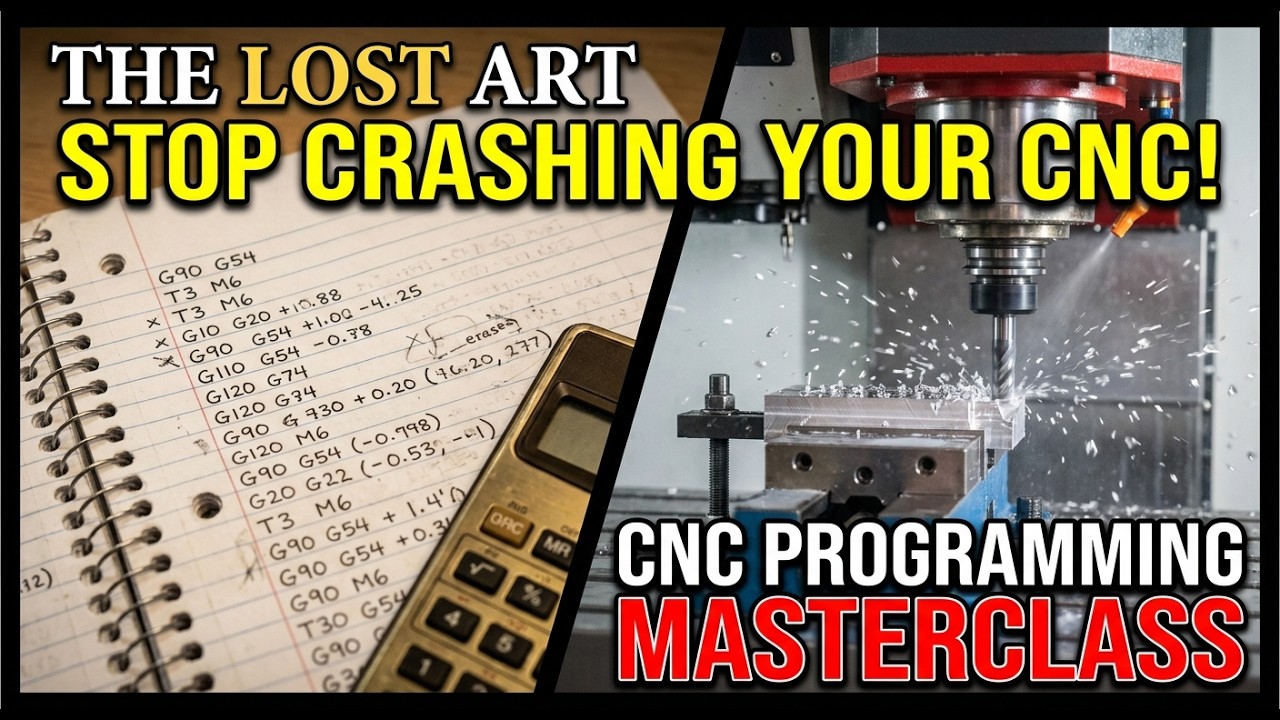
At its core, Computer Numerical Control (CNC) programming relies on specific instruction sets—primarily G-code and M-code—to direct machine movements, spindle speeds, feed rates, and tool changes. In the past, machinists had to calculate every coordinate by hand, a tedious process prone to mathematical errors and costly tool crashes.
While understanding foundational G-code remains crucial for editing and troubleshooting at the control panel, most of the heavy lifting today is handled by powerful digital applications. Understanding how these instructions interact with your physical machine is the secret to producing flawless, highly repeatable parts.
Why Modern CNC Software Makes All the Difference
The true game-changer in modern manufacturing is the seamless integration of CAD (Computer-Aided Design) and CAM (Computer-Aided Manufacturing). By utilizing robust CNC software, programmers can design a 3D part model and automatically convert the geometry into optimized machine code.
Here is how specialized software elevates your machining workflow:
- Error Prevention: Run digital virtual simulations to catch tool collisions and pathing errors before cutting real material.
- Optimized Toolpaths: Reduce cycle times and prolong cutting tool life using advanced dynamic milling and turning strategies.
- Versatility: Easily adapt programming techniques for multi-axis CNC mills, swiss lathes, and router setups.
Relying on modern software cuts down setup times significantly, allowing both beginners and experienced machinists to execute complex parts with total confidence.
Start Your CNC Programming Journey Today
Mastering CNC programming opens up endless possibilities in custom fabrication, rapid prototyping, and industrial production. Selecting the right CNC software tailored to your specific machine setup is your very first step toward becoming a skilled CNC programmer.
Are you eager to dive deeper into step-by-step tutorials on writing CNC code from scratch? Let us know in the comments below what specific topics, machines, or software tools you would like us to cover next!

No comments:
Post a Comment