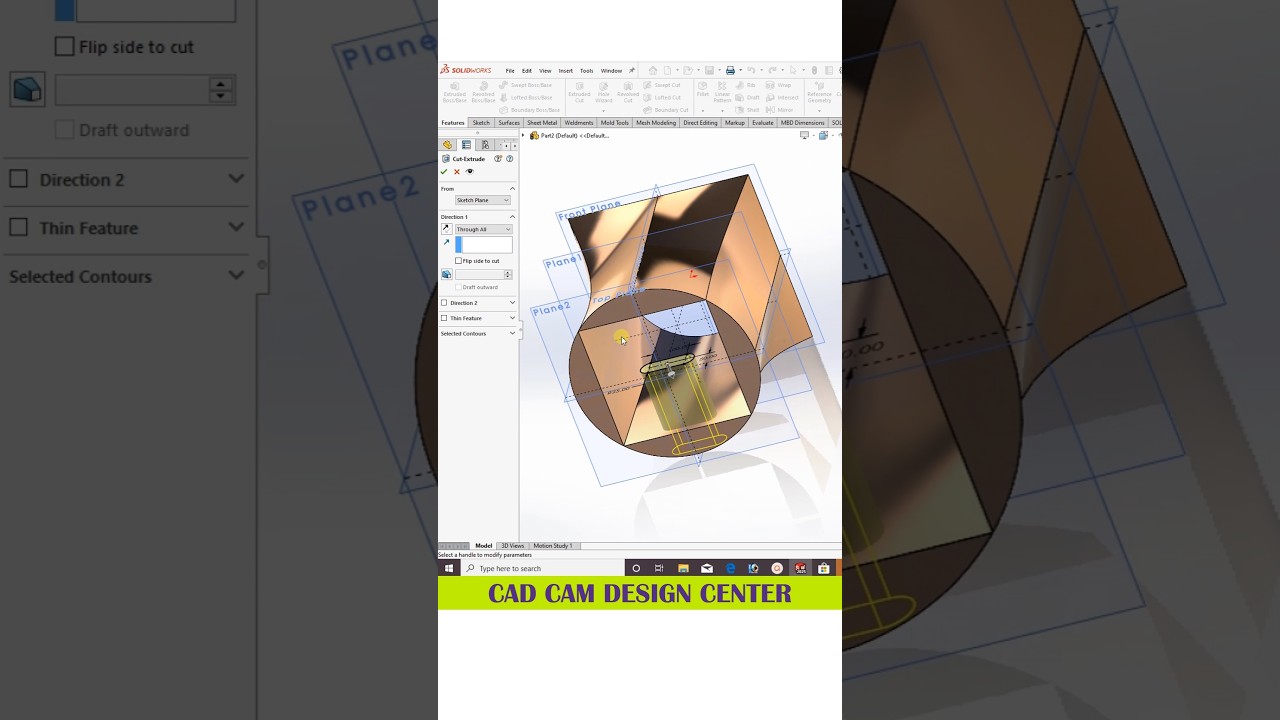
Mastering Solidworks: Essential 3D Modeling Tips for Seamless CAM Software Integration
This article provides an in-depth exploration of CAM software, covering foundational concepts, practical applications, and engineering insights.
In the fast-paced world of modern engineering and digital art, the transition from a conceptual 3D design to a tangible physical product is a journey of precision. Solidworks has long been the gold standard for creators looking to build intricate parts, whether for the automobile industry or complex artistic projects. However, a stunning 3D model is only as good as its manufacturability.
The Intersection of Design and Manufacturing
To bring a digital model to life, engineers must bridge the gap between Computer-Aided Design (CAD) and production. This is where high-quality CAM software becomes indispensable. By using Computer-Aided Manufacturing tools, you can translate your Solidworks geometry into precise instructions for CNC machines or 3D printers. For this process to work flawlessly, your 3D model must be clean, optimized, and free of geometric errors.
Optimizing Your 3D Models for Production
Creating a viral-worthy 3D model involves more than just aesthetic appeal; it requires technical foresight. When working in Solidworks, focus on maintaining "manifold" geometry. Overlapping faces or unconstrained sketches can lead to significant headaches once the file is imported into your CAM software.
To ensure a smooth workflow, follow these three essential tips:
1. Simplify Geometry: While detail is important, unnecessary complexity can slow down toolpath generation.
2. Check Your Tolerances: Ensure that your design accounts for the physical limitations of the manufacturing equipment.
3. Use Assembly Constraints: Properly defined relationships between parts prevent shifting during the simulation phase.
Why Precision Matters in CAD/CAM Workflows
The synergy between Solidworks and your chosen CAM software determines the efficiency of your production line. A well-optimized model reduces machine wear, minimizes material waste, and significantly cuts down on production time. Whether you are designing a high-performance engine component or a stylized piece of 3D art, the principles of precision remain the same.
Final Thoughts
Mastering Solidworks is a continuous learning process. By focusing on how your models interact with manufacturing tools, you elevate yourself from a basic designer to a professional engineer. Keep experimenting with new modeling techniques, stay updated on the latest software features, and always design with the final production stage in mind to achieve the best results.
Visual Insights & Illustrations


No comments:
Post a Comment